Discover how to calculate the real cost of an AI writing tool
Stop paying unpredictable Bring Your Own Key (BYOK) fees and multi-app subscriptions. RankDots consolidates your entire content pipeline, giving you predictable unit economics without the hidden tech stack tax.
A team sits down to conduct a quarterly audit of their software expenses and realizes they're paying for Ahrefs, Surfer SEO, and multiple ChatGPT Plus seats just to publish a handful of weekly articles. To calculate the true financial impact of an AI content pipeline, teams have to look past the sticker price. Teams must add the base subscription to hidden expenses like API token usage, per-seat licenses, and the stack tax—the compounding cost of secondary platforms required for keyword research and optimization.
Marketing teams manage a highly fragmented software stack, often juggling anywhere from 12 to 19 distinct tools. This stack tax gets expensive fast. A team loses hours every week just context switching between different applications. Teams spend hours exporting generic keyword lists from a research tool and manually cleaning out gibberish in spreadsheets. That manual labor breaks the unit economics promised by standalone AI drafting tools.
The alternative is automation that respects a team's workflow. RankDots consolidates multi-source keyword discovery and content creation into a single automated pipeline. You move from seed keywords to published content without jumping between tabs. We process live Google SERPs and integrate directly with your Google Search Console. The result is an end-to-end strategy that replaces disconnected text generators.
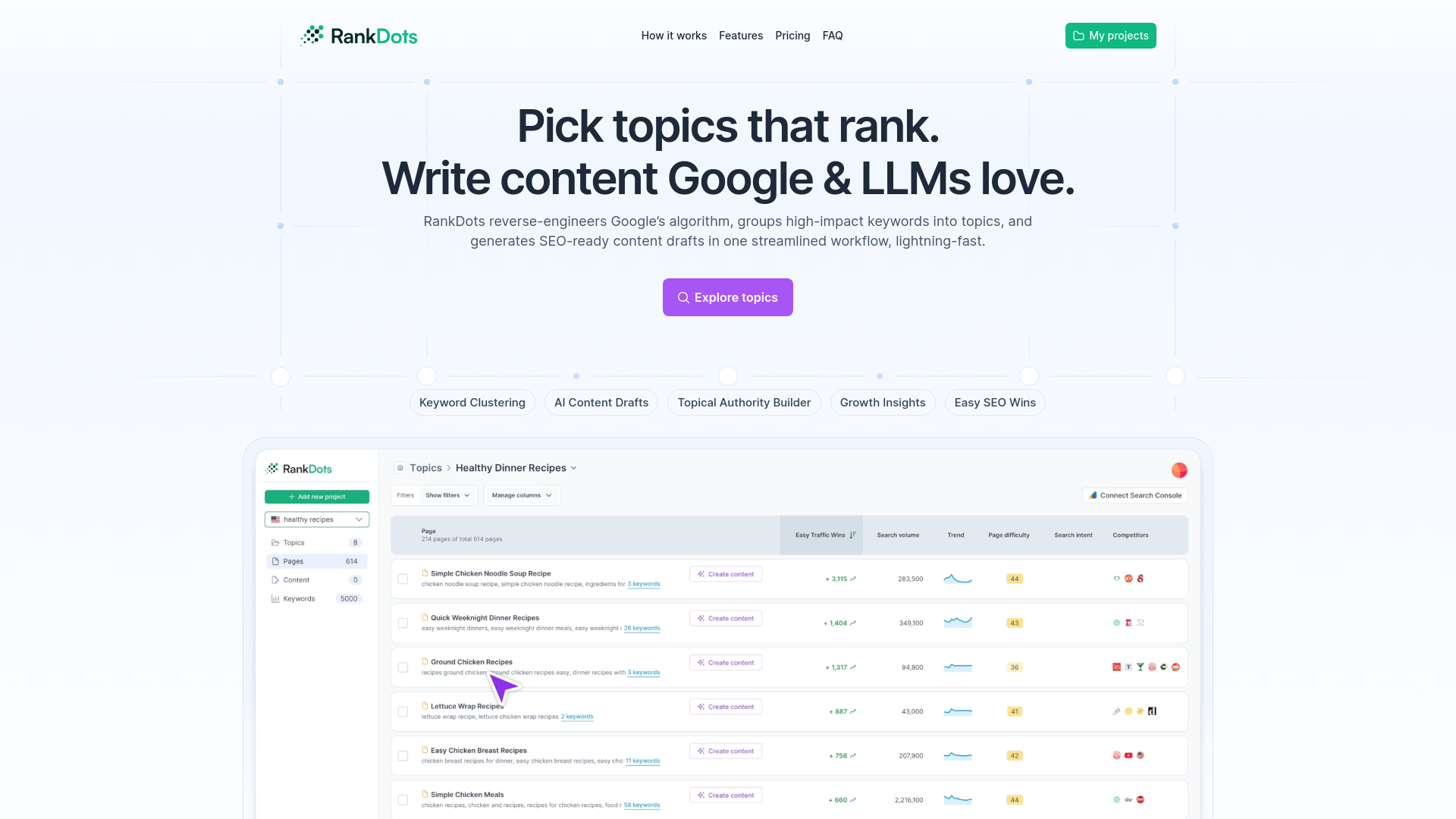
This guide breaks down those hidden API and subscription costs, giving you a clear way to determine the exact unit economics of your content pipeline.
How the TCO calculator works
Audit your fragmented stack
Tally up base subscriptions for every tool in your pipeline, from keyword research platforms to specific optimization add-ons.
Factor in BYOK API fees
Calculate variable costs by estimating token consumption rates for your target monthly publishing volume.
Measure the workflow friction
Quantify the labor cost of context switching between different applications and manually transferring data across spreadsheets.
Compare against consolidated ROI
See how to calculate the real cost of an AI writing tool by contrasting your piecemeal expenses against RankDots' predictable unit economics.
Total cost of ownership breakdown
Base subscription fees are just the opening bid. A standard AI seat costs around $25 to $30 per user per month, but that rarely covers a full content pipeline. Bring Your Own Key (BYOK) architectures push the real cost onto your API bill. When teams attempt to calculate the exact cost of generating comprehensive articles using a BYOK tool, they quickly get lost in token-to-word ratios. Modern models have million-token context windows. These massive windows create unpredictable consumption rates for input versus output tokens, making strict budgetary forecasts impossible.
Enterprise seat licenses solve this token unpredictability by locking your monthly software expenses, providing an exact cost regardless of how much content your team generates.
Then come the extra fees for essential features. Basic functionality like plagiarism checking often incurs separate charges based on word count—typically hitting $0.03 for the first 200 words and $0.01 for each additional 100 words.
When you need to secure budget approval for the next content sprint, fuzzy math fails. AI-generated content looks cheaper on paper than a human freelance draft. However, that margin shrinks rapidly when a team stacks a typical $59 base fee, separate consumption credits, and specialized optimization subscriptions just to publish a single post.
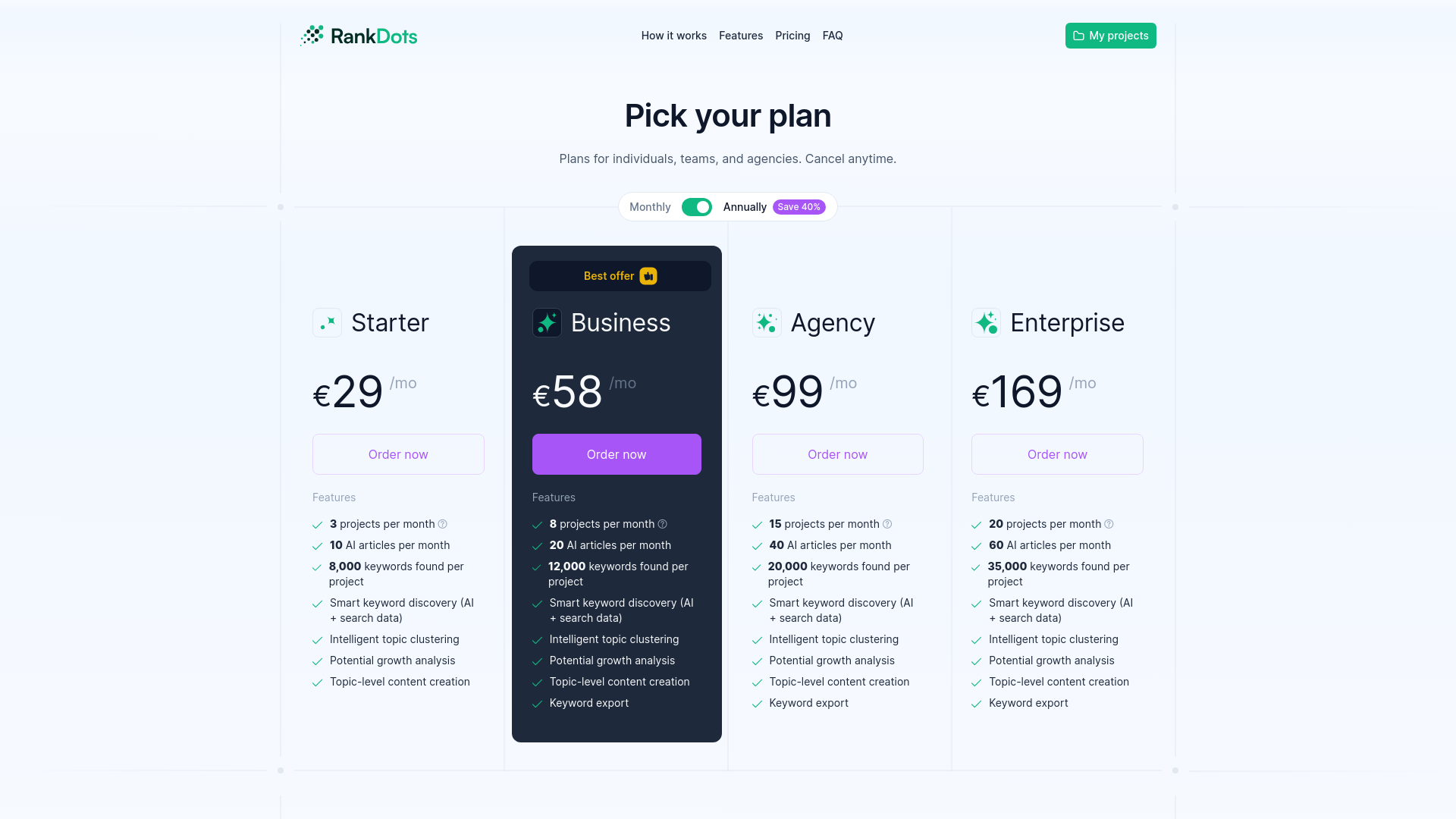
RankDots removes the unpredictability of piecemeal software. You get comprehensive 8-source research, AI clustering, and multi-dimensional quality scoring in one platform. Teams stop tracking API tokens across three different apps. Teams see concrete ROI forecasts—converting abstract metrics into projected monthly traffic numbers per page so they know exactly what their investment yields.
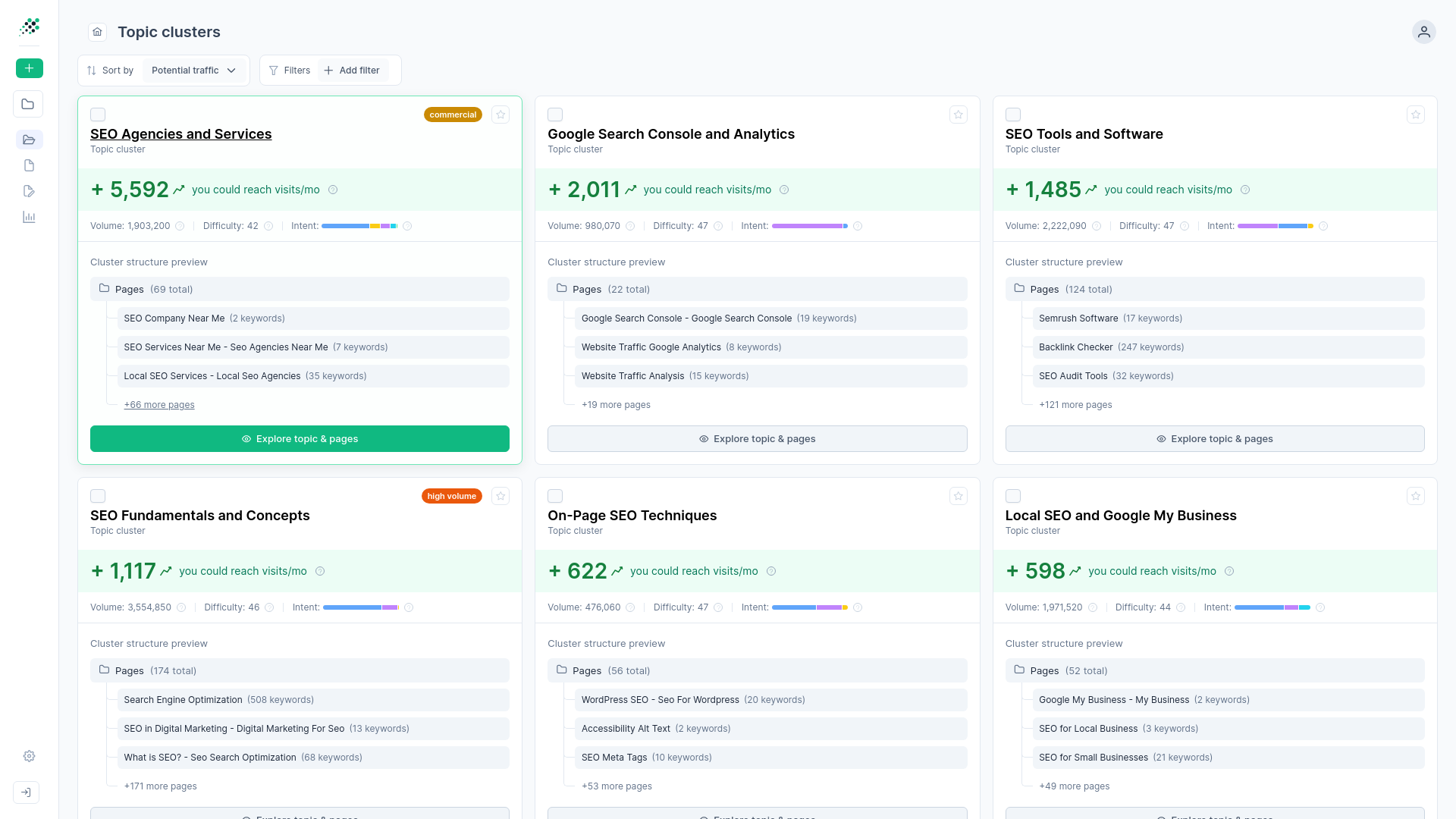
This also eliminates the hidden labor costs of large all-in-one platforms. Legacy suites hand teams raw keyword lists that force them back into manual grouping and spreadsheet exports. RankDots connects keyword research directly to content creation in one automated pipeline.
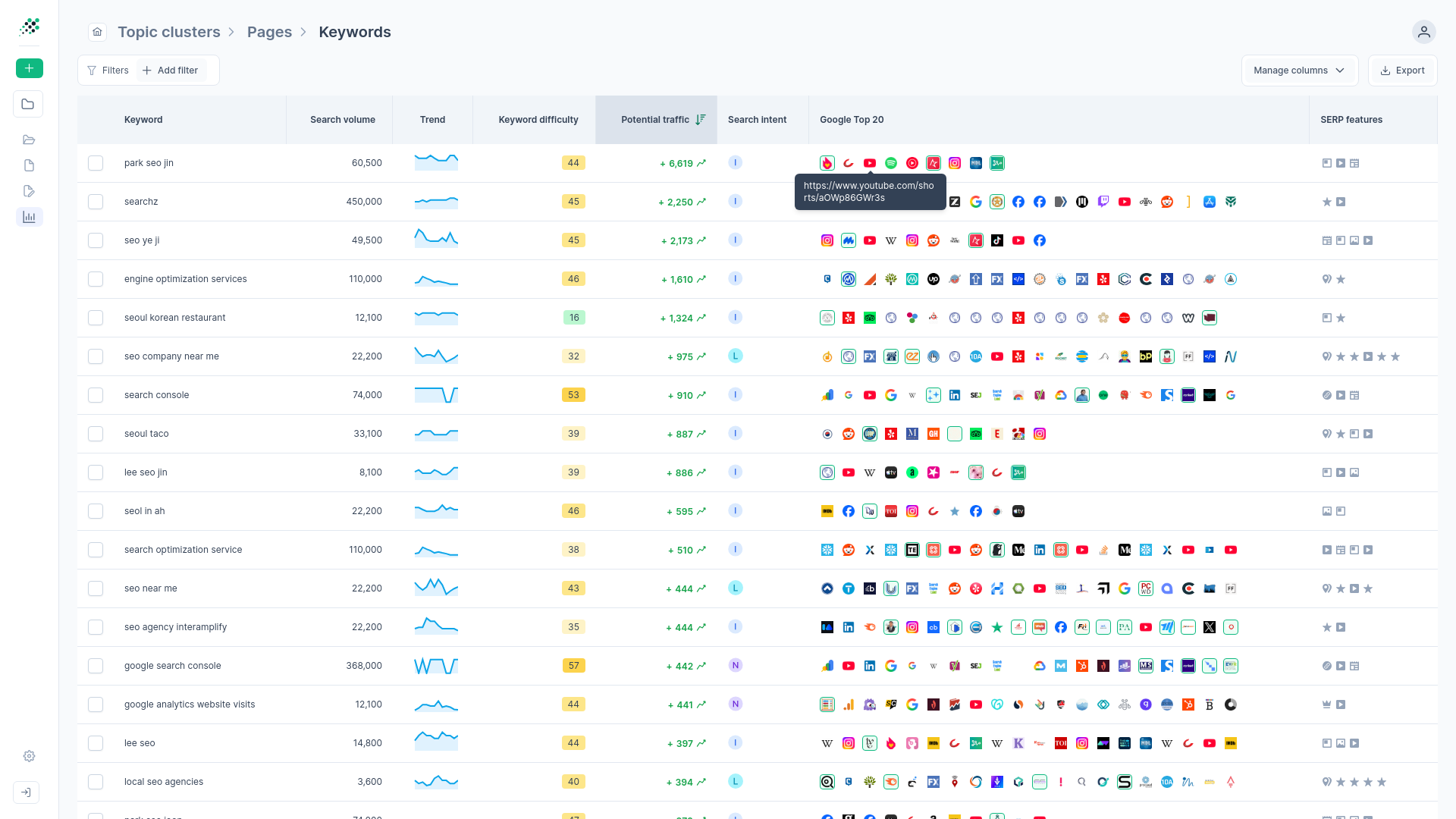
RankDots consolidated platform
10-point quality validation
RankDots scores content across specific dimensions like factual grounding and brand voice. You get clear justifications instead of generic letter grades.
Consolidated content pipeline
Move from seed keywords to published content in one system. Eliminate unpredictable API fees and multi-app subscriptions entirely.
Concrete traffic forecasting
See exact monthly traffic projections for your target pages before you write. Stop guessing how to calculate the real cost of an AI writing tool against its return.
Built-in version history
Store up to 10 iterations of your work directly in the platform. Compare drafts and revert edits without jumping to external document editors.
Frequently asked questions
What are the hidden costs of AI writing platforms?
Is it cheaper to use an API or a monthly subscription like ChatGPT Plus?
How do tokens, prompts, and context windows affect AI writing costs?
How can I monitor and limit my AI API usage costs?
Does RankDots charge separately for keyword research and AI content generation?
Stop overpaying for a fragmented content tool stack
Now that you know how to calculate the real cost of an AI writing tool, it's time to stop funding software bloat. Replace your expensive patchwork of subscriptions and variable API tokens with RankDots. Secure a straightforward, single-pipeline solution that respects your budget.